What HR policy misses about neurodivergent reality
Toni Horn works with neurodivergent individuals and the organisations employing them. What she hears from each side reveals why good intentions and formal policy are rarely enough
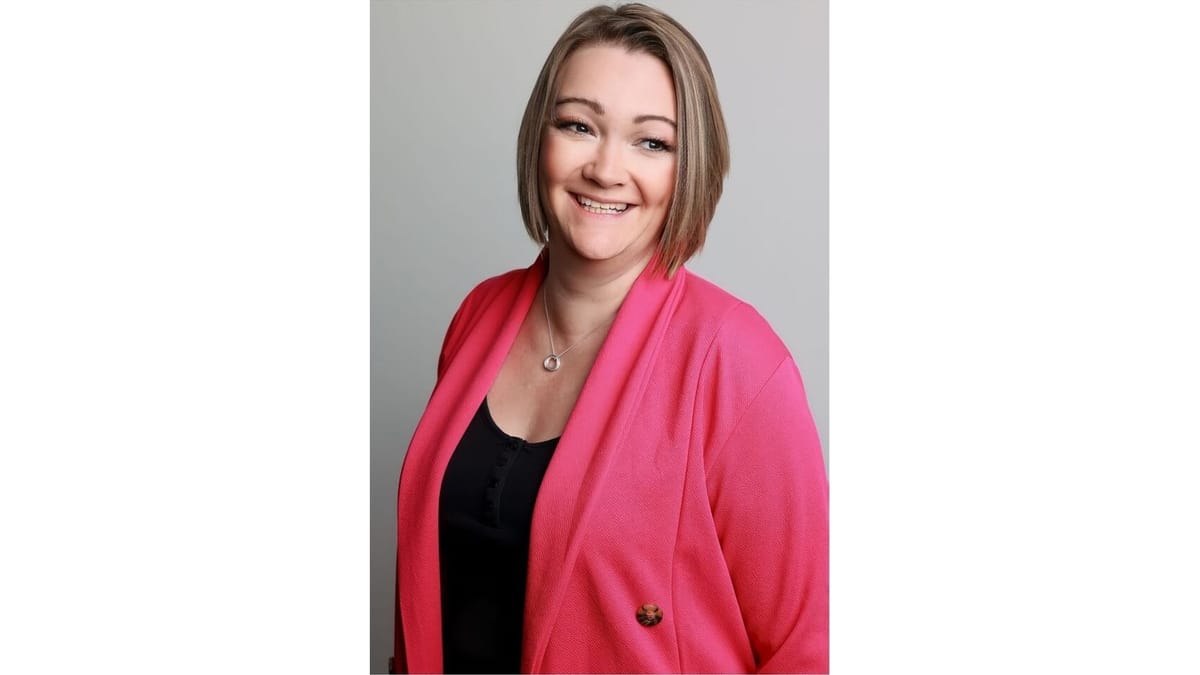
Toni Horn occupies an unusual position in the neuroinclusion space. Through Think Differently, her personal coaching practice, she works one-to-one with neurodivergent individuals navigating employment. Through NeuroEmpower, she delivers training and consultancy to the organisations employing them. That dual vantage point, she says, reveals a gap that neither side fully sees.
'Through Workplace Needs Assessments and coaching, I often hear recurring themes which are frequently quite different from what organisations believe the issues to be,' she told Neurodivergent Works. 'Individuals might say, "I can do my job, I just can't do it like this," or "I spend more energy trying to keep up with how things are done than actually doing the work." That tells me the problem isn't capability — it's design.'
From the organisational side, Toni finds that support mechanisms are often believed to be in place. From the individual's side, the picture looks very different.
'It still feels unclear, inconsistent and exhausting to navigate. That disconnect only becomes evident when you sit with someone and discuss their daily reality.'
What people are saying
The situations that bring neurodivergent employees to coaching are remarkably consistent. Commonly cited issues are unclear expectations, shifting goalposts, meetings where minds go blank under pressure and a sense of working flat out but still falling short.
'There's also a strong pattern around people-pleasing. Many individuals are saying yes to everything, overcommitting, not pushing back — not because they can't, but because they don't want to be seen as difficult or incapable. That often leads to burnout.'
The emotional layer is equally consistent. People describe feeling like they're getting it wrong, not wanting to ask the same question twice and masking just to get through the day.
What this reveals, Toni argues, is a failure not of intention but of translation.
'HR processes often exist, but they don't always translate into consistent, practical support. A big part of that is that HR teams and leaders are often not given the right training to confidently support neurodivergent employees in real, day-to-day situations.'
It was this gap that led her to design CPD training for leaders and HR professionals in 2022. She updates her training annually.
'Inclusion comes down to line management – how work is communicated, structured and reviewed on a daily basis.'
The young people entering the workforce
Through NeuroEmpower's Get Ready for Work programme, Toni also works with neurodivergent young people preparing for employment. Their expectations, she finds, are straightforward: structure, consistency and managers who explain things properly. What they encounter is often something else entirely.
'Where the gap shows up is in the unspoken rules of the workplace — the expectation to just pick things up, to manage multiple priorities without clear guidance, or to navigate social dynamics without support. For many of them, it's not the work that worries them. It's everything around the work.'
Access to Work and its limits
As an accepted Access to Work provider, Toni has a clear-eyed view of where the scheme works and where it falls short. The most common misunderstanding is treating it as a starting point rather than an additional layer.
'Individuals will say, "I've applied for Access to Work, so I'm just waiting," but in the meantime, nothing has changed in their day-to-day experience. Adjustments like clearer instructions, written follow-ups, or flexible working don't need to wait.'
With application volumes high and approval timelines long, people are frequently left without support for months. 'By that point, many are already overwhelmed or close to burnout. Access to Work ends up trying to fix something that could have been improved much earlier through simple, practical changes.'
Kindness and structure
Think Differently positions itself around kindness as well as strategy. Toni is clear that kindness matters, but only when it is backed by action.
'People remember how they're spoken to. They'll say, "My manager is nice, but nothing changes," or "they mean well, but I'm still struggling." Kindness shows up in listening, patience and understanding, but without structure, it doesn't remove the barriers. It's kindness in the interaction and clarity in the system. When both are there, that's when people really start to thrive.'
Bringing lived experience into the room
Toni is also a keynote speaker and the author of a children's book about neurodiversity. This is the book she needed as an eight-year-old who knew she was different but didn't understand why. When she speaks to corporate HR audiences, she draws on both that personal history and her 17 years working as a leader in a large corporate organisation.
'I know what it feels like on both sides — trying to navigate work as a neurodivergent individual, while also being responsible for leading teams, managing performance and getting results. That perspective really matters.'
Alongside her own story, she brings in the voices of the people she supports, with their permission. 'Statements like, "I go home exhausted from pretending I understand," or "I avoid asking questions because I don't want to look incapable" – that's what shifts understanding. It moves away from theory and into real human experience.'
One mindset shift
Asked what she would change about how UK employers approach neurodiversity, Toni’s answer cuts to the heart of her practice.
'I would move away from seeing adjustments as something extra, and towards seeing them as good management – and also move away from relying so heavily on labels. The things individuals ask for are often very simple: clarity, consistency, structure, time. They're not asking for less work. They're asking for a way of working that allows them to actually do their job well.'
When support is tied to diagnosis, it creates unnecessary barriers and delays. 'When we remove the idea that support has to be tied to a label, and instead design work in a way that supports different ways of thinking from the start, inclusion stops being reactive and starts being built into how work happens every day.'
Subscribe for free to receive practical guidance on neurodiversity at work, delivered to your inbox