Why Neurodivergent Works exists
Tom Daldry outlines why he launched the UK’s first trade publication dedicated to workplace neurodiversity
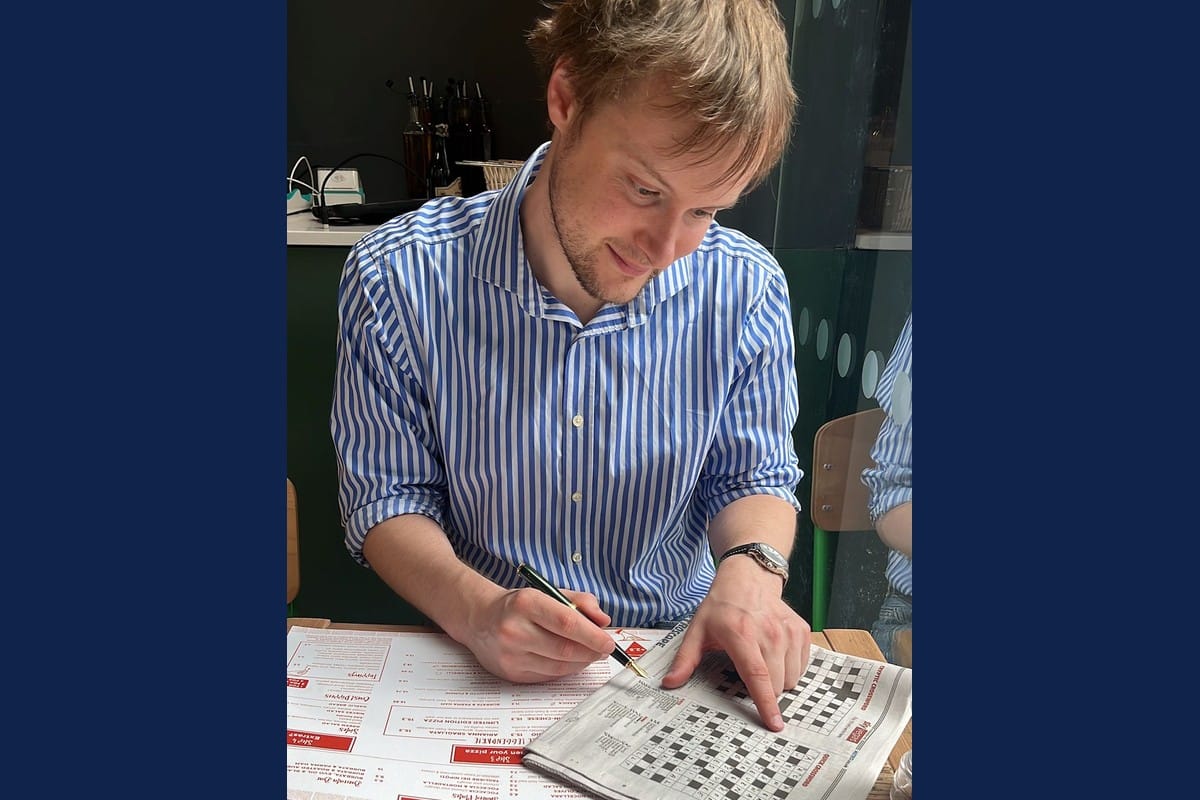
I’m Tom, and I’m autistic.
I’m also the founder and editor of Neurodivergent Works, the first UK trade publication dedicated to workplace neurodiversity for HR professionals and DEI leaders.
Being neurodivergent shouldn’t be a barrier, and it shouldn’t be a stigma. Yet for many of us, it still is. My autistic experience primarily manifests in difficulties with socialising. That means my inability to network or to navigate office politics has repeatedly held me back professionally.
However, my autism also brings strengths that any employer should value. An ability to hyperfocus, analytical rigour, creative problem-solving. In neurotypical workplaces, these strengths are easily overlooked.
Around one in seven people in the UK are thought to be neurodivergent — a figure derived not from a single study but from combining prevalence estimates across multiple conditions. That's between 10 and 13 million people who are autistic, have ADHD, are dyslexic, dyspraxic, dysgraphic or dyscalculic, stammer, live with Tourette's syndrome, misophonia or executive dysfunction — or experience any combination of these conditions.
How many neurodivergent employees could thrive with the right support? How much potential goes unrealised simply because workplaces aren't designed with different minds in mind?
Businesses have a legal duty to support neurodivergent people, under the Equality Act 2010. This includes inclusive hiring processes and providing reasonable adjustments. A failure to do so can constitute a breach of employment law.
No organisation is actively setting out to harm neurodivergent people. The unfortunate truth, though, is that many inadvertently create barriers for neurodivergent employees. However, with the right guidance, they can implement the appropriate support — from Access to Work funding to workplace adjustments that benefit everyone.
That’s why I began Neurodivergent Works. It's the first UK trade publication providing expert guidance on workplace neurodiversity — from legal compliance to best practice. Whether employers are navigating autism in the workplace, supporting ADHD employees or building an inclusive workplace culture, we're here to help.
Subscribe for free to receive practical guidance on neurodiversity at work, delivered to your inbox