

The first UK trade publication for workplace neurodiversity

How mediation gets to the core of workplace conflict

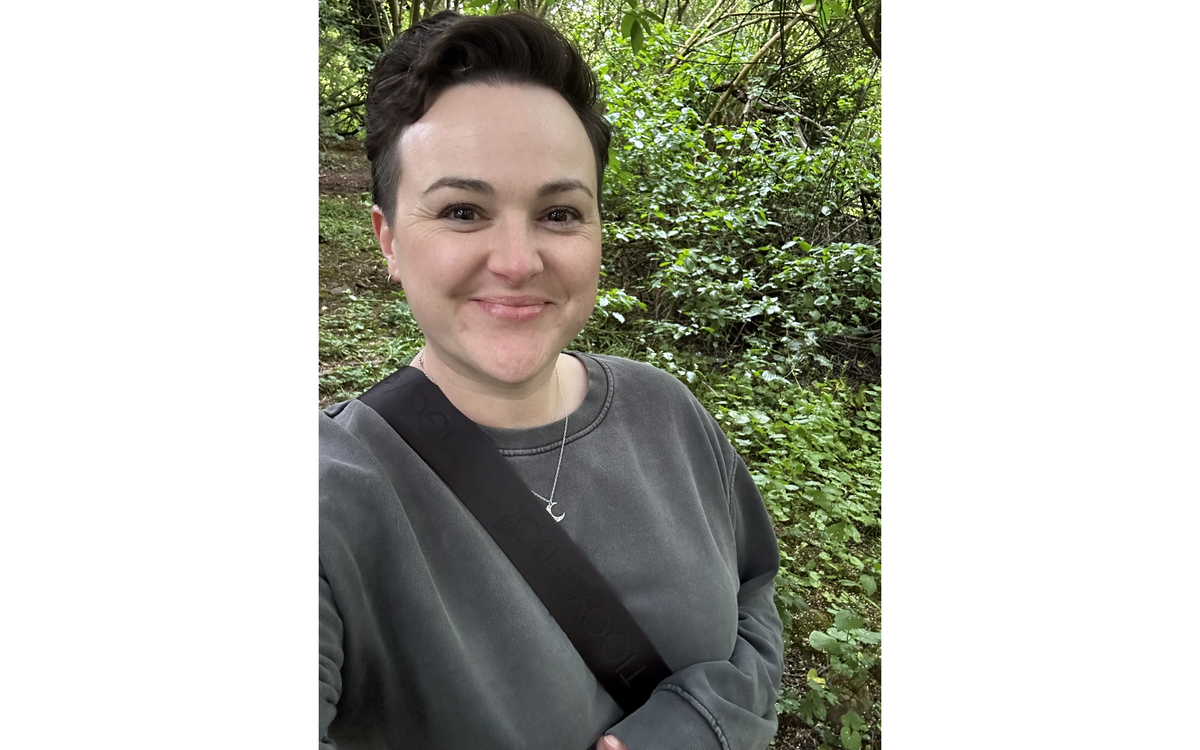
Kirstie Buck spent a decade in HR watching workplace conflict quietly destroy people and organisations from the inside. In May this year, she founded Common Ground Workplace Mediation to offer something she rarely saw in practice: an early, human, independent route through the mess
How mediation gets to the core of workplace conflict
Kirstie Buck

Kirstie Buck has a theory about unresolved workplace conflict. Not that it’s inevitable, or that one side is usually right, but that the process of tackling it almost always happens too late — long after the moment when a different kind of conversation could have changed everything.

‘When you look at the state of employment tribunals in the UK, the backlogs are severe. I heard recently from someone in my network that they’ve just had a hearing confirmed for 2031,’ she tells Neurodivergent Works. ‘That’s a huge weight on so many people. And when I reflect on my career, there were many situations where an earlier intervention would have made such a difference.’

Buck founded Common Ground in May 2026 after 10 years in HR across multiple industries, most recently in a fast-paced, private equity-owned tech firm. She's now a workplace mediator, working independently with small businesses across the UK, confidentially and without taking sides. The fundamental point is that most workplace conflict shouldn’t need to make it to an employment tribunal. It needs the right conversation, at the right time, with someone who can hold the space for it — and if mediation doesn’t resolve things, formal or legal processes remain an option.

What mediation actually is (and isn't)

There’s a version of mediation that looks a lot like a legal process: structured, procedural, evidence-led. That’s not Buck’s approach. Hers is closer to facilitated conversation, creating a confidential space where both parties can say what they actually mean, without what’s said being used against them in any future legal process. Crucially, participants still have the option to pursue internal formal or legal routes if they’re not satisfied with the outcome.

'The whole aim is to allow people to feel heard and seen,' she says. ‘It’s dealing with communication breakdowns, and really looking at what can be salvaged within workplace relationships. It's not all rainbows and sunshine. Sometimes the best outcome for everyone is that the person leaves the company. But if there's another way, or if we can have that conversation early and really get to the crux of the issue, that's what I'm there for.'

One thing Buck emphasises is that conflict at work is rarely about the thing that gets raised. 'It's so infrequently about that actual thing. It's usually about something else: a feeling of lack of respect, lack of recognition, not being supported. It's really getting to that space of understanding what's going on, and then looking openly at how we move on from here.'

The psychology underneath the process

Buck studied psychology at university and has always been drawn to the question of why people behave the way they do. In the context of mediation, that translates into something closer to reading a room than blindly following steps.

'It's assessing the situation: what's the energy, what am I reading from that person? All the non-verbal cues. Trying to build the bigger picture of what's actually going on. What's being said, what's not being said.'

She's particularly attuned to the pace of difficult conversations. 'Some people need a lot more time to absorb and sit with things. It's not rushing in with loads of questions and bamboozling people, especially in what can be a very emotionally heightened situation. Giving that space is really important.'

Late diagnosis, and the sense of injustice

Buck was diagnosed autistic last year. It's a disclosure she makes without hesitation, and one that she sees as directly relevant to the work.

'The sense of injustice is strong,' she says. 'I think as a majority, most of the general population feel put out by injustice. But there's a neurodivergent piece where it is just so strong, such a visceral reaction. And when I think about conflict I've witnessed, or my own feelings of internal conflict, a lot of it is around injustice.'

That conviction shaped how she operated in HR, even before she had the language for it. She recalls a moment in a male-dominated environment, where a colleague made an offhand homophobic comment in front of a mixed group. She didn’t make a scene. She waited, found a quiet moment alone with him, and approached it with curiosity rather than confrontation.

'He came to me with his tail between his legs,' she says. 'I could already see he knew he'd done something wrong. So I wasn't trying to beat him around the head with a stick. I came at it with: have you considered this angle? What if there was someone queer in that space, how do you think they'd feel? And he immediately went into, "I didn't mean it, my son might be gay..." It came out of nowhere, but it was great to have that really open, cards-on-the-table conversation.'

The approach, curiosity over confrontation, is now central to how she frames early intervention.

The 'accidental manager' problem

When Buck talks about why small businesses struggle to address conflict early, she keeps coming back to the same structural issue: managers who were never equipped for the role.

‘A common scenario I’ve seen play out many times is someone who’s very technically competent getting promoted into a people management role, usually not because they particularly want to, but because it’s the obvious next step. And there was never any process of supporting that person through that change from individual contributor to people manager.’

The result is a near-perfect storm: people without the tools or training to have hard conversations, inside organisations that often don't prioritise developing those skills, sitting on top of unresolved issues that have been quietly festering.

'Another situation which appears fairly often is when a manager comes to HR and says, "I need to get rid of Joe Bloggs." And the first question any HR professional worth their salt asks is: "Have you had a conversation with him?" And I cannot explain how common it is that there has never been any conversation. Performance issues that have been happening for months, sometimes years. That person may have no idea they've done anything wrong.'

The solution, in her view, isn't complicated in principle, even if it's hard in practice. Regular one-to-ones. Consistent feedback. Curiosity about the whole person, not just their output.

'Has someone in their life just passed away? Are they going through a breakup? Moving house? As much as we'd like to compartmentalise, life always bleeds through. And if you know your team well enough, you notice when someone who's normally bubbly and engaged goes quiet. That's data.'

Lived experience in the room

As an autistic mediator who is, in her words, still relatively new to having that framing for herself, Buck is thoughtful about how lived experience functions in practice, and appropriately cautious about overstating it.

'Neurodivergent people are not a monolith. Autistic people are not a monolith. I'd never say: “This person is autistic, therefore they'll do X.”'

What lived experience does offer is a kind of pattern awareness, an ability to spot what might otherwise go unnoticed. ‘I may be more aware than neurotypical people of how autism is likely to present, particularly in late-diagnosed women. I might recognise that someone is masking, and that's why they're so exhausted. But it's still always about the person in front of you: what they're saying, what they're not saying, what they're holding.'

She's candid about the internal friction that came with her own late diagnosis, the TikTok-generation doubt, the sense of 'have I made this up for attention?', and clear-eyed about what the label actually does and doesn't change.

'Nothing has changed. You're the same person you always have been. But you have the words for it, and a greater sense of what that means. That's enormous.'

On reasonable adjustments, she reaches for a glasses analogy. 'You're not going to deny someone wearing glasses to be able to read. It's helping to level the playing field, supporting people who need extra support in these different ways. It's not groundbreaking. At its basis, it's working with the person in front of you: what do they need to succeed?'

A better way through

Buck is forthright about mediation not being a panacea, and she doesn't pretend that every workplace conflict ends in reconciliation. Sometimes the right outcome is still that someone leaves the company. But she's equally clear that there's a way of handling even that which doesn't have to destroy people.

'One of the things I always said in HR was: you can dismiss someone and do it in a way that doesn't destroy their whole life. You can tell someone they're not performing, and hold space for them to feel that and experience it, without ripping them apart. There are good ways and bad ways of doing all of these things.'

Her first job out of university ended with her being let go. She remembers how hard it was. She also remembers that it was done with care, that her manager was visibly struggling with the process too. She still has the LinkedIn recommendation he wrote her.

'Most people aren't psychopaths. Most people aren't trying to do the worst thing for no reason. Most people, on the whole, are trying to do the right thing. They maybe just don't have the skills, or the experience, or they're misinformed. Most people are not out there to get you. That's my big thing.'

Kirstie Buck is the founder of Common Ground Workplace Mediation. She works with small businesses across the UK on early-intervention conflict resolution. You can find her on LinkedIn

Subscribe for free to receive practical guidance on neurodiversity at work, delivered to your inbox.

Subscribe for free

Proud media partner of

The Great Geek Together