

Natalie Brooks: Dyslexic employees disclose when they have answers, not reassurance
Natalie Brooks - founder of Dyslexia in Adults, author of Dyslexia Unlocked and executive dyslexia coach - discusses moving past psychological safety narratives
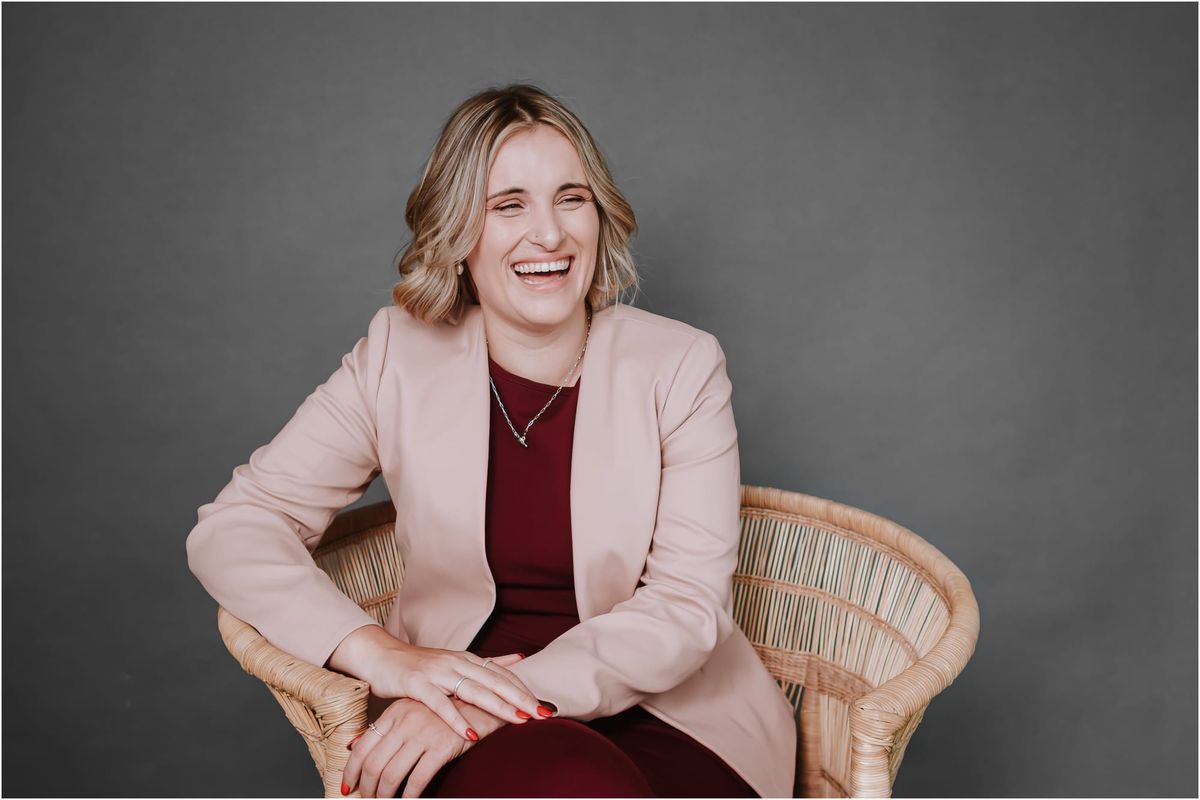
When Natalie Brooks told her employer she was dyslexic, she got one of two responses: either they didn't understand what that meant, or they offered to help with no idea how.
At one multinational tech company — a unicorn firm with over 1,000 employees where she worked in the late 2010s — the HR response was especially unhelpful. When she flagged dyslexia-related challenges, they told her to Google a solution and come back with a recommendation.
Across the organisation, based on population prevalence, there would have been roughly 100 other dyslexic employees facing the same wall of silence.
'That's when it became clear to me that the problem wasn't managers being hostile,' says Brooks. 'It was that nobody knew what to do. And if nobody knows what to do, why would anyone bother disclosing at all?'
This realisation shapes everything Brooks does now. As founder of Dyslexia in Adults and author of the recently published Dyslexia Unlocked (Bloomsbury), she's spent years pulling apart the assumptions that underpin how organisations approach neurodiversity. And her core finding might be uncomfortable for those who've invested in psychological safety training: culture is nice, but actionable information is essential.
The real barrier to disclosure
Statistics paint a stark picture: only 32% of neurodivergent employees feel safe disclosing at work. It's a number that typically prompts calls for better psychological safety initiatives, more inclusive culture, manager training. But Brooks pushes back on this framing.
'In most modern workplaces, people won't get a hostile response to disclosure,' she says. 'The real problem is that someone will say, "How can we help?" And the employee won't know. They genuinely won't have the answers. And that's so much more disempowering than outright rejection would be.'
Think about what happens next. An employee discloses dyslexia. A well-meaning manager asks what they need. The employee, who's probably never had a conversation like this before, has no structured answer. They say, 'I'm not sure.' And suddenly, responsibility for solving the problem lands back on them: the person least likely to have been supported in understanding their own needs.
'Why would you disclose when you don't know what challenges you have, what strengths you have, how to support those challenges, or how to utilise those strengths? You're admitting to something that makes you feel vulnerable without any concrete next step. Of course people don't disclose.'
From culture to clarity
This is where Brooks' philosophy diverges sharply from the mainstream neurodiversity conversation. She's not anti-culture. She's pro-specificity.
'We need to move away from focusing entirely on creating psychological safety and managing manager responses,' she says. 'What we need is tangible advice that individuals can use to have confident conversations.'
That might mean standardised accommodation menus at interview stage. It might mean documented best practices for how an organisation runs meetings, structures information follow-up and manages remote collaboration. It might mean specific examples of how AI tools, productivity software, or meeting recording practices can work for dyslexic employees. Not theoretical examples, but real ones tied to actual roles.
'When you're having an interview and you tell someone you're dyslexic, why aren't organisations at the stage now where they say, "Here's our standard accommodation list. Here's what we know works. If you want something else, we'll talk about that"?' Brooks asks.
None of this requires radical change, she argues. Good management practices benefit everyone. But they have outsized impact for neurodivergent people.
'If you've got unwieldy meetings where people are talking over each other for an hour, that's not helping the dyslexic person, but it's probably not helping the five other people in that meeting either,' she says. 'Reasonable adjustments often aren't about special treatment. They're about doing things well.'
The superpower problem
If the disclosure conversation exposes a gap, the superpower narrative drives people away from it entirely.
Brooks has spent the last few years pushing back on motivational speaker culture around dyslexia: the endless parade of Steve Jobs, Richard Branson, Keira Knightley. It's well-intentioned. It's also, she argues, actively unhelpful.
'When we set the bar at "superpower," "gift," "extraordinary," it becomes unattainable for people who feel ordinary,' she says. 'And most people feel ordinary. The whole point of a role model is that you can see details from their story and build your own path. But when someone's story is so far removed from yours — when they're a billionaire and you're a consultant — it doesn't help. It just makes you feel worse.'
The problem compounds when someone is actually struggling. For a dyslexic person who is experiencing working memory problems, or who is struggling to write a report, Keira Knightley's success is not necessarily relevant. More helpful is to know there are specific alleviation strategies, and the problem isn't being a broken person.
'I get pressure to put famous faces in presentations,' Brooks says. 'But I push back. Because what's actually going to help is explaining what problem-solving looks like. How to utilise specific strengths. How to create consistency when things feel inconsistent. That's the information people need.'
Her new book takes this approach seriously. Rather than inspiration, it offers scaffolding.
Building capability
Dyslexia Unlocked was born from a gap Brooks couldn't stop noticing. Adult dyslexia is vastly underrepresented in the dyslexia conversation. Most resources focus on children and school-based interventions. Yet there are more dyslexic adults than any other neurodivergent population.
'Adult dyslexia websites might have 50 pages on children,' she says. 'You'd be lucky to get one page on adults. It's shocking.'
The book works in three sections. First, it tackles the psychological reality: what it means to feel different, how to process the hangover of school struggles and internalised narratives about capability. Then it builds strategies. Brooks walks through the big neurological impacts — working memory, processing speed, executive function, reading and writing — explains how they show up in life, and offers practical frameworks to work with them.
Finally, it dismantles the superpower narrative and replaces it with something more useful: how to understand your own strengths as an individual, not as a photocopy of someone famous.
'The core message is simple,' Brooks says. 'Managing neurodiversity doesn't have to be hard. It doesn't have to feel cumbersome. It can be simple and easy, and it doesn't require this huge cultural revolution. We can tweak our modern workplace cultures and help people feel successful without reinventing everything.'
For HR professionals, she's clear on the takeaway: accessibility and good practice aren't in conflict. Meeting someone's adjustment needs often just means doing the fundamentals well.
What's next
As Brooks continues her work with organisations, she's watching a wave of change start to move through HR. There's more awareness. There are more attempts to create change. But she thinks the next level is about specificity: about moving from 'we value neurodiversity' to 'here's how we support dyslexic working memory challenges in our actual working environment.'
Natalie Brooks offers workplace training and coaching to help organisations build practical neurodiversity support. Find Dyslexia Unlocked published by Bloomsbury.
Book a call with Natalie.
Exclusive discount for Neurodivergent Works readers: Use code NWORKS100 to receive £100 off your workplace coaching package.
Subscribe for free to receive practical guidance on neurodiversity at work, delivered to your inbox.
Subscribe for free