

The first UK trade publication for workplace neurodiversity

What 18 years in policing taught Kelly Rooks about neurodivergent communication

The serving officer and Anchor & Wright founder on trauma-informed assessment, psychological safety and why the most useful thing an HR lead can do is listen properly
What 18 years in policing taught Kelly Rooks about neurodivergent communication
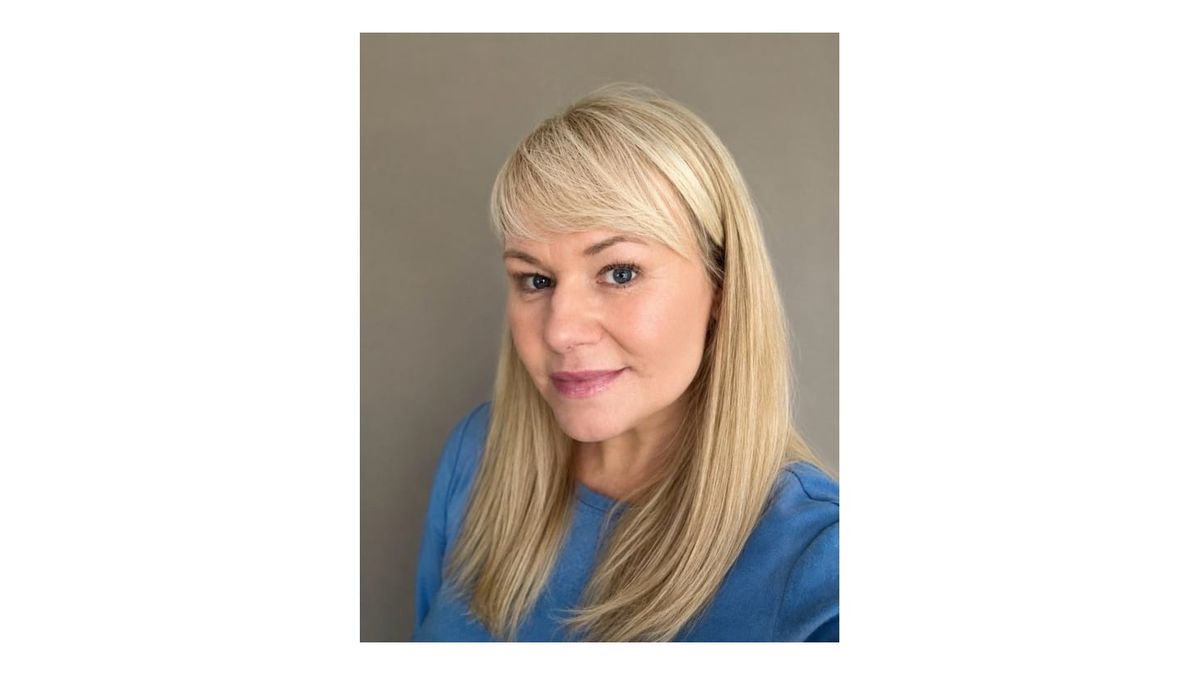
Kelly Rooks

On paper, policing does not seem an obvious occupation to suit a neurodivergent employee. Whether fair or unfair, there is a stereotype of a rigid, hierarchical culture with little tolerance for people who present and work differently. Kelly Rooks is a serving officer of 18 years and is diagnosed with ADHD. She tells a more complicated story.

'I've had a good experience overall in policing,' she tells Neurodivergent Works. 'In many ways, my neurodivergent brain suited the role, because I work well under pressure. I'm calm in fast-moving situations, and I liked the pace of the job.'

The pressure points were elsewhere. 'Where I struggled more was with the paperwork and admin. To be fair, the force did put adjustments in place to support me, which really helped.'

The biggest barrier, and the one that took longest to identify, was cultural rather than operational. The unspoken expectation that everyone should work and communicate in the same way.

'Sometimes people can misunderstand neurodivergent communication styles and assume someone is being difficult, when they're actually trying to explain a barrier they're facing,' she says.

The gap between what a neurodivergent employee says and what their manager hears runs through everything Rooks now does. Alongside her policing career, where she has also worked as a neurodiversity and wellbeing officer, she founded Anchor & Wright in 2025, offering neurodiversity trauma-informed workplace assessments and training.

She is careful about the line between the two. 'My police role is entirely separate from my business, and I'm very mindful of maintaining those boundaries properly. I don't speak on behalf of policing.'

However, what connects them is simple: 'Both roles come from wanting to help people and improve workplace experiences where I can.'

A different starting question

'Trauma-informed' is one of those phrases at risk of becoming workplace wallpaper — attached to everything, meaning less each time. For Rooks, it has a precise definition, and it starts with which question an assessment is built around.

'Rather than asking "what is wrong with this person?", we ask "what has this person experienced?"' she says. 'A trauma-informed assessment means recognising that past experiences can impact someone's wellbeing and behaviour — how they communicate, how they respond to stress.'

The distinction matters because of what many neurodivergent employees carry into the room. 'A lot of people have had bad experiences in workplaces. Some have spent years masking, feeling misunderstood, or being made to feel like they were the problem. That affects their confidence and how safe they feel speaking up.'

It also changes what gets assessed. Anchor & Wright looks at the workplace as well as the individual, 'because sometimes the issue isn't the person at all. Sometimes it's poor communication, or an environment that simply doesn't work for them.' The premise — familiar to anyone who has watched an adjustments process quietly locate the 'problem' in the employee — is that people do better when they feel safe, respected and understood.

The Sunderland model

Anchor & Wright is built on a giving structure: every paid training session funds a free workshop for a charity or community group. The decision traces back to where Rooks grew up.

'I grew up in Sunderland, and I know that a lot of smaller charities and community groups simply don't have the money for specialist training, even though they're often supporting the people who need it most,' she says. 'I never wanted this work to only be available to organisations with large budgets.'

'The free workshops are treated the same as paid sessions,' she adds. 'We put the same effort, preparation and care into them, because those groups matter just as much.'

Breaking the silence

Rooks was highly commended for the Breaking the Silence award, and her reading of the phrase is broader than any single diagnosis. 'Breaking the silence means people feeling able to talk honestly about things they used to hide,' she says. 'That could be neurodiversity, mental health, burnout, or simply struggling in silence at work while trying to look like everything's fine.'

Ask her what still isn't being said loudly enough, and the answer lands squarely on the gap between policy and lived experience: the territory most EDI functions know uncomfortably well. 'Inclusion isn't just about policies or awareness campaigns. People need to feel psychologically safe day to day — and organisations embedding an accessible support framework is what really matters.'

Her own turning point in policing wasn't a policy either. 'For me, climbing the mountain was learning that I didn't need to work the same way as everyone else to be good at my job — understanding my strengths, and accepting support where I needed it.'

She's quick to add the caveat every neurodiversity conversation needs: she speaks from her own experience, not for every neurodivergent person. 'We're all different.'

Monday morning

So what's the one thing an HR lead or EDI professional should do differently after reading this? Rooks doesn't reach for a framework.

'I'd say listen properly. Not everybody works or processes information in the same way, and that's okay. When neurodivergent staff raise barriers, they're usually not trying to cause problems. They're trying to explain what's making work harder for them.

'You don't need to have all the answers straight away, but being compassionate and willing to listen can make a huge difference to someone's wellbeing and confidence at work.'

Kelly Rooks is the founder of Anchor & Wright, which provides neurodiversity trauma-informed workplace assessments and training. Every paid session funds a free workshop for a charity or community group.

Subscribe for free to receive practical guidance on neurodiversity at work, delivered to your inbox.

Subscribe for free

Proud media partner of

The Great Geek Together